One of the most predictable and recognizable signs of aging, sagging skin can make you look older and more tired than you actually feel. Taking action before your skin laxity reaches a more severe stage is an excellent way to get and maintain the results you want with a more conservative approach.

At The Gillian Institute in Indianapolis, also serving the areas of Carmel and Fishers, Dr. Kimberly Short and her team offer personalized treatment plans for skin laxity, including nonsurgical options that tighten and firm mild to moderate sagging, as well as surgical procedures that deliver more dramatic and longer-lasting results.
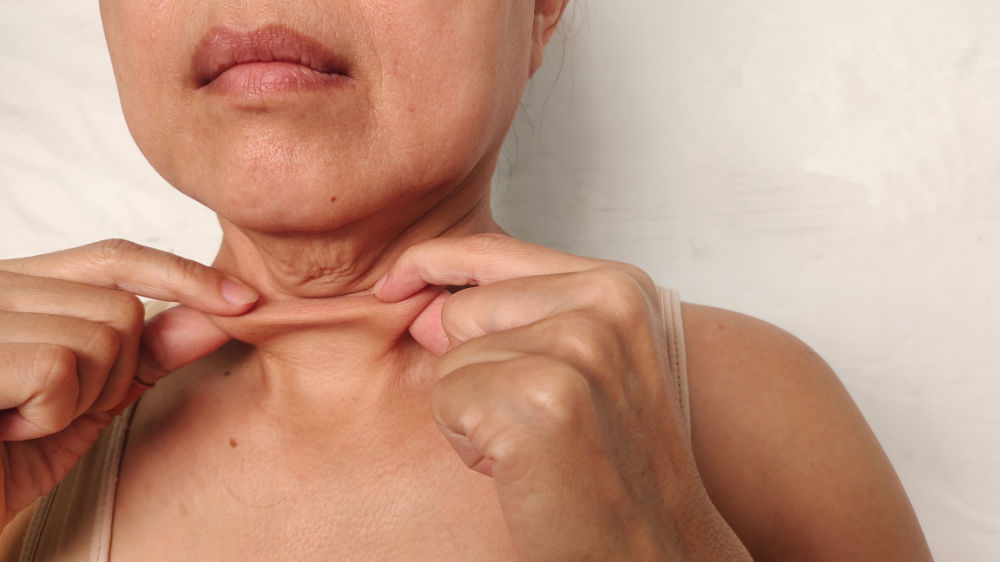
What Causes Sagging Skin?

Skin laxity results from a combination of changes and processes that begin earlier in life than most people think.

  • Collagen decline is a major culprit. As early as your mid-20s, your body naturally begins to produce less of this crucial structural protein that gives the skin its strength and elasticity.
  • Changes in fatty tissue, often including fat decline and downward migration of natural fat compartments, can also contribute to sagging skin.
  • Bone resorption adds yet another layer to this issue, as the skeletal structure of the face begins to shrink slightly over time.
  • Other factors contributing to sagging skin include sun exposure, genetics, dramatic weight loss, smoking and hormonal shifts.
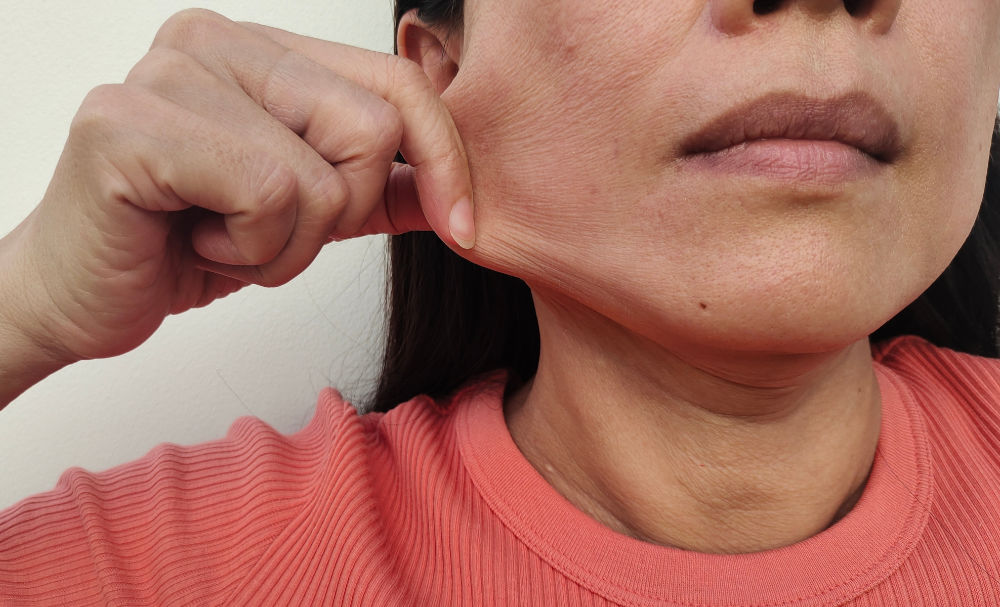
Where Does Sagging Skin Appear?

Unwanted skin laxity affects many areas of the body, but most people are concerned about the face and neck areas, where the changes are most noticeable and undesirable.

The jawline is one of the earliest sites. As the skin around the jawline migrates downward, jowls form. The neck is also a common area for potentially significant skin laxity, often referred to as “banding” (as the platysma muscle develops vertical bands) or “turkey neck.”

The cheeks, brow, forehead and eyelids can also be affected by skin laxity, though anatomical differences can affect how (and how rapidly) sagging changes the appearance of each of these areas.

How Is Sagging Skin Treated at The Gillian Institute?

Dr. Short’s approach to skin laxity treatments begins with a careful evaluation of where laxity is occurring, how advanced it is and what outcome the patient is realistically hoping to achieve. Mild to moderate cases respond well to nonsurgical interventions, while more significant laxity typically calls for a surgical solution.

Laser Skin Resurfacing

Laser skin resurfacing is a highly effective nonsurgical option for early to moderate skin laxity. The Gillian Institute uses the Rohrer Phoenix CO2 laser, a fractional ablative system that creates controlled micro-injuries in the skin to stimulate robust collagen and elastin production. As new collagen forms and matures in the weeks and months following treatment, the skin gradually tightens and firms.

Neck Lift and Chin Contouring

For patients with moderate to significant neck laxity, platysmal banding or excess skin below the chin, a neck lift provides a level of correction that no nonsurgical treatment can quite duplicate. Dr. Short addresses the underlying muscle, removes or redistributes excess fat and tightens the overlying skin to restore a cleaner, more defined neck and jawline contour.

Brow Lift

A brow lift surgically restores the brow to a more youthful position, opening up the eye area and refreshing the overall expression of the upper face. The procedure is often combined with eyelid surgery for patients dealing with both brow descent and eyelid laxity simultaneously.

Why Choose The Gillian Institute for Sagging Skin Treatment?

Treating skin laxity effectively goes well beyond picking the right procedure, however important that early step is. It demands an accurate read of the face as a whole, an understanding of how different tissues age, interact and move in space and the surgical skill to address what’s needed without overcorrecting.

Dr. Kimberly Short is a board-certified plastic surgeon and Fellow of the American College of Surgeons with fellowship training in aesthetic surgery of the face, breast and body. Her philosophy centers on natural results: outcomes that look refreshed and age-appropriate rather than pulled or dramatically altered.

She takes the time at every consultation to evaluate your anatomy, understand your goals and give you an honest assessment of which approach will serve you best.

Schedule your virtual consultation or in-person visit at our Indianapolis office today by calling (317) 913-3260.

FAQs

Can nonsurgical treatments like laser resurfacing replace a surgical lift?

For mild to moderate laxity, laser treatments can produce genuinely meaningful tightening and are an excellent choice for patients who aren’t ready for surgery or don’t yet need it. However, they work by stimulating collagen; they don’t remove excess skin or reposition descended tissue the way surgery does.

What's the difference between a neck lift and a facelift?

A neck lift focuses specifically on the neck and lower jawline, addressing banding, loose skin and excess fat in that zone. A facelift addresses a broader area, typically including the mid-face, jowls and neck together.

How long do surgical results last?

Surgical procedures like a neck lift or brow lift address the underlying structural causes of laxity rather than just treating the surface, meaning results can last up to a decade or more with proper skin care and sun protection.

Is there downtime after laser resurfacing for skin laxity?

Fractional CO2 laser treatment typically involves four to seven days of redness, swelling and skin shedding, followed by a period of pinkness that fades over two to four weeks. Most patients feel comfortable returning to normal activities within a week. Results develop gradually over three to six months as collagen remodeling progresses.

Can sagging skin on the body be treated as well?

Yes. The Gillian Institute offers body contouring and skin-tightening procedures for areas like the abdomen, arms and thighs. This includes surgical lifts for patients with significant skin excess following major weight loss. A consultation with Dr. Short will clarify which options are appropriate for your specific concerns.