Uneven Skin Tone
Uneven skin tone can be frustrating in ways that go beyond purely aesthetic concerns. Seemingly out of nowhere, you may notice patches of discoloration forming that do not respond to your usual skincare routine, or you might have to rely on makeup to create a more balanced complexion. Whether it shows up as dark spots, redness or blotchiness, uneven tone can make your skin look tired or less vibrant than you feel.
At The Gillian Institute in Indianapolis, Dr. Kimberly Short and her team understand how complex this concern can be. Rather than offering cookie-cutter treatment protocols, they take a personalized approach to identify the cause of your uneven skin tone and recommend treatments designed to restore clarity and balance to your skin.
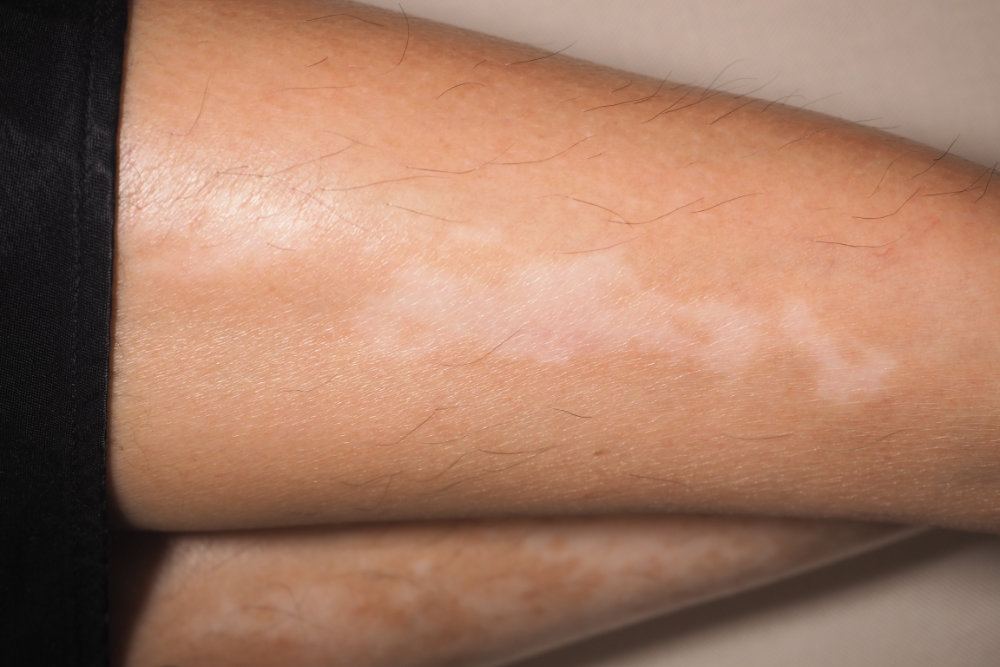
What Is Uneven Skin Tone?
Uneven skin tone refers to irregularities in your skin’s color and texture. Instead of a smooth, consistent complexion, you may see areas of hyperpigmentation, sun spots, redness or patches that appear darker or lighter than the surrounding skin.
This condition commonly affects areas exposed to the sun, including the face, neck, chest and hands. It can affect all skin types and tones, though how it presents may vary. Some people experience diffuse redness, while others develop more defined dark spots or melasma.
While uneven skin tone is not harmful, it can affect how your skin reflects light and how healthy it appears overall.
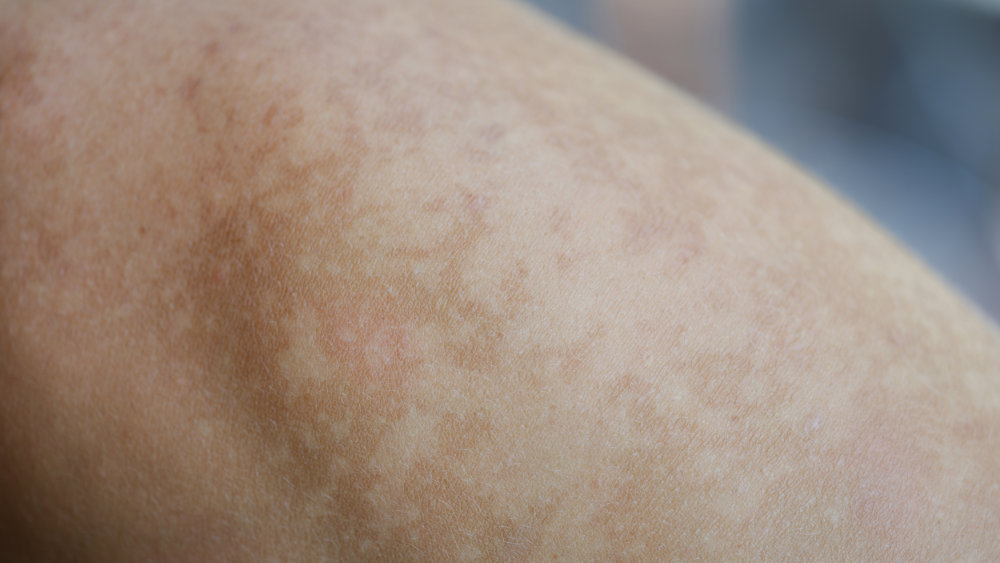
What Causes Uneven Skin Tone?
Uneven skin tone develops when melanin production becomes irregular or when the skin experiences ongoing irritation or damage. Several factors can contribute, including:
- Sun exposure: Ultraviolet (UV) rays stimulate excess melanin production, leading to sun spots and discoloration over time
- Hormonal changes: Conditions like melasma are often linked to hormonal shifts, including pregnancy or birth control use
- Inflammation: Acne, irritation or skin injuries can leave behind post-inflammatory hyperpigmentation
- Aging: As your skin matures, cell turnover slows, allowing discoloration to linger longer
- Genetics: Some individuals are more prone to pigmentation concerns based on their skin type and family history
Because these causes vary, treating uneven skin tone effectively often requires more than just topical products.
Why Choose The Gillian Institute for Uneven Skin Tone?
The Gillian Institute combines clinical expertise with an artistic approach to skin care. Dr. Kimberly Short and her team prioritize individualized treatment plans, ensuring your concerns are addressed with precision and care. With access to advanced technologies and a comprehensive range of treatments, your plan is tailored to your skin, not just your symptoms.
Restore Clarity and Confidence to Your Skin
You can do much better than covering up uneven skin tone. With the right combination of treatments and expert guidance, clearer, more balanced skin is very much achievable.
Schedule your virtual consultation or in-person visit at The Gillian Institute in Indianapolis today. Call 317-913-3260 to get started on a personalized plan tailored to your skin and goals.