Even with consistent workouts and a balanced diet, certain areas of fat can sometimes feel impossible to improve. You may notice that your abdomen, love handles or thighs hold onto fullness no matter how much effort you put in. Over time, this can affect how your clothes fit, how you feel in your body and your overall confidence.

At The Gillian Institute, Dr. Kimberly Short understands how discouraging and frustrating stubborn fat can be. She takes a personalized, thoughtful approach to body contouring, helping patients in Indianapolis find solutions that align with their goals, anatomy and lifestyle.
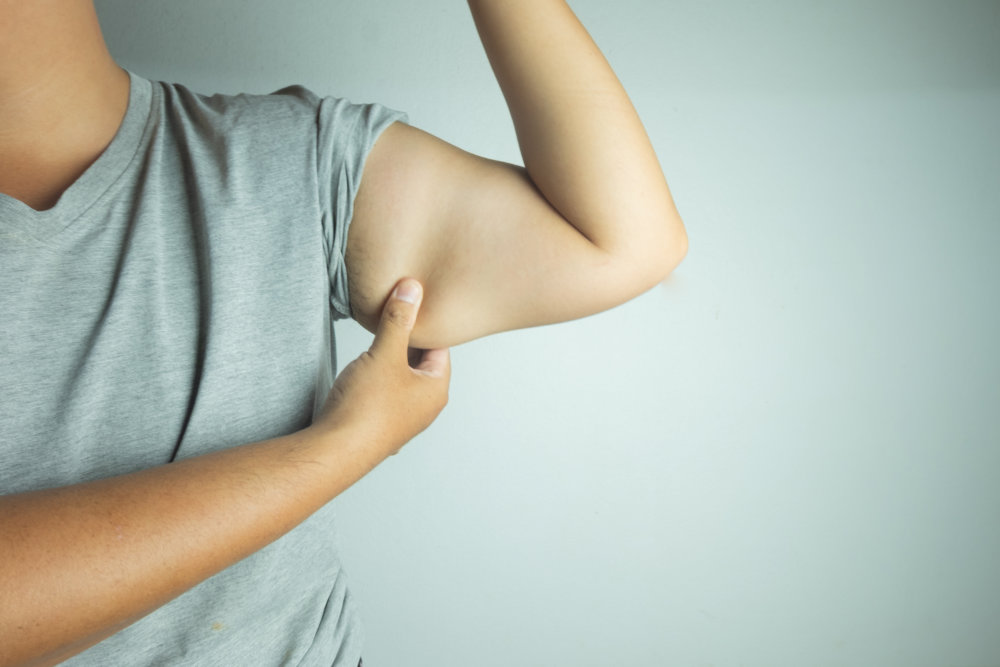
What Do We Mean By Stubborn Fat?

Stubborn fat refers to localized fat deposits that resist traditional weight loss methods like diet and exercise. These areas often remain even after you have successfully lost a significant amount of weight, making them seem more pronounced than before.

Common problem areas include the abdomen, flanks (love handles), thighs, upper arms and back. These pockets of fat are typically more metabolically resistant, meaning your body is less likely to burn fat from these regions compared to others.

You might notice that while your weight fluctuates, these specific areas change very little. This is not a reflection of your effort. It is simply how your body is designed to store and hold onto fat.
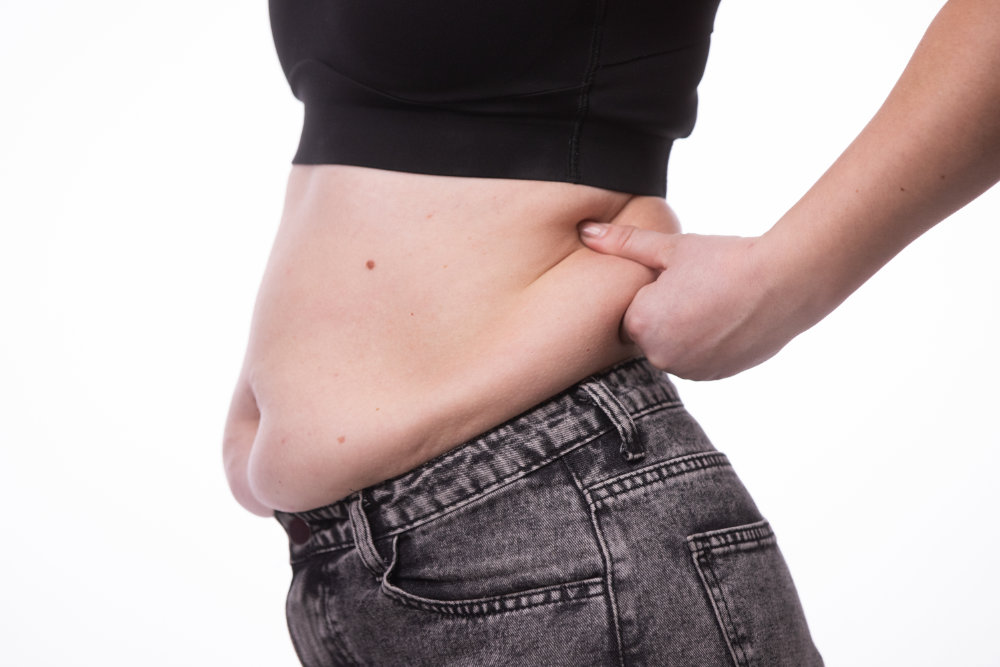
What Causes Stubborn Fat?

Several factors contribute to the development and persistence of stubborn fat:

  • Genetics: Your natural body shape and fat distribution are largely inherited, which is why some areas hold onto fat more than others.
  • Hormones: Changes related to aging, stress or menopause can shift fat storage patterns.
  • Fat Cell Resistance: Some fat cells are more resistant to breakdown, making them harder to reduce with diet and exercise alone.
  • Metabolism: As your metabolism slows over time, your body may retain fat more easily.

Because of these factors, stubborn fat often requires targeted treatment to achieve noticeable contouring results.

Treatments for Stubborn Fat at The Gillian Institute

At The Gillian Institute, you have a full suite of treatments to choose from when looking to address stubborn fat deposits. Dr. Short and her team offer both non-surgical and surgical options, helping you choose the approach that best fits your goals, timeline and comfort level.

CoolSculpting® and CoolSculpting® Elite

CoolSculpting uses controlled cooling technology to freeze and eliminate fat cells beneath the skin. Over time, your body naturally processes and removes these treated cells, leading to gradual fat reduction.

CoolSculpting Elite enhances this process with advanced applicators that treat larger areas more efficiently. Most patients benefit from a series of treatments, with visible improvements developing over several weeks. There is little to no downtime, making it a popular option for those who want subtle, natural-looking contouring.

Lipodissolve (Fat-Dissolving Injections)

Lipodissolve is a non-surgical injectable treatment designed to break down localized fat deposits. Once the fat cells are disrupted, your body gradually eliminates them through natural metabolic processes.

This treatment is well-suited for smaller, targeted areas where precision matters. A series of sessions is typically recommended for optimal results, with gradual improvement over time.

Liposuction

For patients who want more dramatic or immediate results, liposuction remains the gold standard. This surgical procedure directly removes fat cells, allowing Dr. Short to sculpt and contour the body with a high degree of precision.

Liposuction is ideal for larger areas or for more significant reshaping. Results are visible more quickly compared to non-surgical options, though recovery time is required.

Why Choose The Gillian Institute for Stubborn Fat?

The Gillian Institute combines advanced technology with a personalized, patient-first approach. Dr. Kimberly Short brings both surgical expertise and an artistic eye to body contouring, ensuring results look natural and balanced.

With an AAAASF-accredited surgical facility and a team focused on safety, education and individualized care, you can feel confident that your treatment plan is designed specifically for you.

Embrace a More Confident and Contoured You

You do not have to keep working around stubborn areas that refuse to change. At The Gillian Institute in Indianapolis, your consultation is an opportunity to explore your options, ask questions and receive a customized plan tailored to your goals.

Schedule your virtual consultation or in-person visit today by calling 317-913-3260 and take the next step toward feeling more confident in your body.

FAQs

Do acne scars go away on their own?

Milder instances of post-inflammatory redness and hyperpigmentation can fade over time, especially with sun protection and a consistent skincare routine. However, the depressed, pitted or raised changes in the skin’s structure rarely resolve significantly on their own.

How many laser treatments will I need for acne scars?

The answer depends on the depth and type of your scarring, your skin tone and the laser settings used. Many patients with moderate scarring see meaningful improvement after one to three CO2 laser sessions, spaced several months apart to allow for full healing between treatments.

Is laser resurfacing safe for darker skin tones?

Fractional CO2 laser can be used safely on a range of skin tones, but settings need to be carefully calibrated for patients with darker skin tones to minimize the risk of post-inflammatory hyperpigmentation.

What's the recovery like after CO2 laser resurfacing for acne scars?

Expect four to seven days of redness, swelling and skin shedding after a fractional CO2 treatment. The skin will feel sensitive and look raw during this period, followed by pinkness that typically fades over the following two to four weeks. Full results continue developing for three to six months as collagen remodeling progresses.