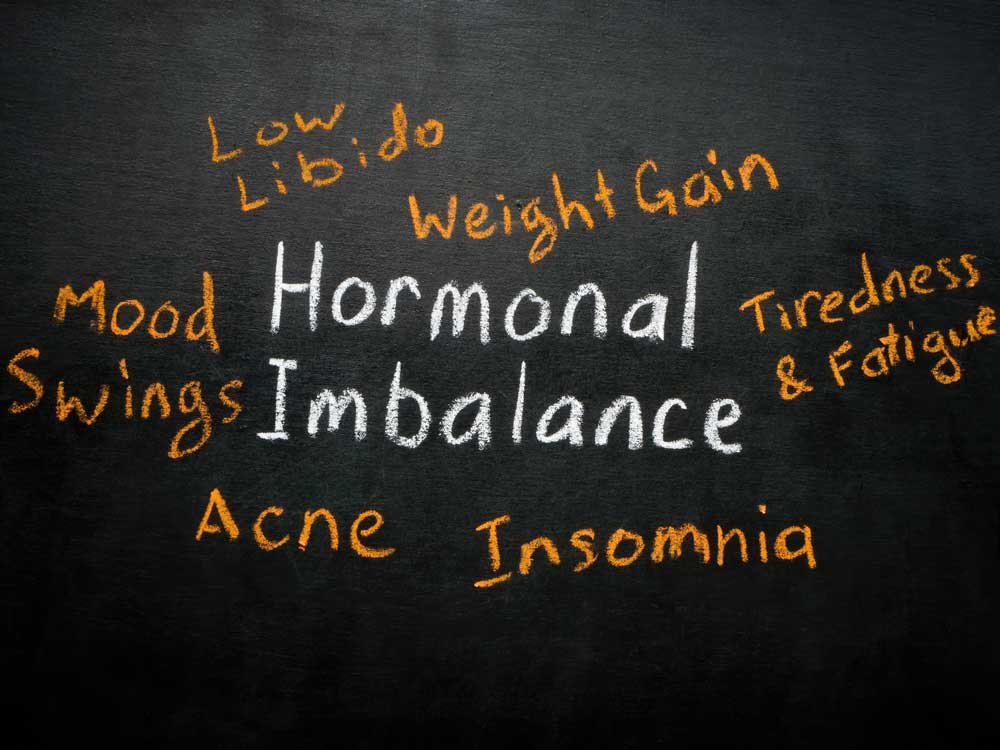
Signs You May Have a Hormone Imbalance
Fatigue often gets blamed on a packed schedule, and stubborn weight is often attributed to a lack of willpower or the wrong lifestyle. But many people who experience these and other symptoms are doing everything they can to remedy them through an active lifestyle, plenty of sleep, stress reduction and a healthy diet. Some people suffer with symptoms for years before learning that hormones can affect these areas and many more. At The Gillian Institute, we will help you sort through the signs that you may have a hormone imbalance.
How Hormones Influence Weight, Energy and Skin
Hormones are chemical messengers that travel through your bloodstream and tell your organs what to do. When their levels are too high or low, the effects will show up across the body.
Hormones and Metabolism
Metabolism is how your body converts food into energy and decides whether to burn it or store it. Thyroid hormones are involved in the pace of this process, so an underactive thyroid slows calorie burning and encourages weight gain.
Insulin controls how your cells absorb sugar from your blood, and when cells stop responding well, your body stores more fat and struggles to release it. Cortisol, your primary stress hormone, signals the body to hold onto fat around the abdomen when it stays elevated for too long. Because all of these hormones work together, a problem with one affects the others, and it often requires a broader view to solve the problem.
Hormones and Energy Production
The same hormones that manage metabolism also determine how much usable energy you have throughout the day. People with low thyroid function may find themselves feeling sluggish even after a full night of sleep, and when blood sugar swings up and down because of insulin problems, energy crashes tend to come right afterward.
As estrogen and testosterone decline, this reduces stamina and slows down physical recovery, so those in their forties or older find that workouts are harder than they used to be. When there is persistent low energy with no obvious explanation, this is a clear reason to look at hormones.
Hormones and Skin and Hair Health
Estrogen helps your skin hold in moisture and maintain the collagen that keeps it firm. As levels plummet, often with menopause, the skin may become noticeably dry with a looser texture. Androgens, like testosterone, influence oil production in your pores, and an excess can trigger breakouts well past the teenage years.
Other hormones, like thyroid hormones, regulate the growth cycle of hair follicles, which means both overactive and underactive conditions can cause hair to shed faster than it regrows. Skin and hair are two common places to see an imbalance, sometimes even before there are other signs.
Signs Your Energy and Mood May Be Hormone Related
Persistent Fatigue
A common sign of hormone change is tiredness that rest does not fix. There can also be other factors in persistent fatigue, such as low iron paired with heavy periods and a lack of the right type of nutrients. We offer nutrient support through our IV therapy at The Gillian Institute that can address deficiencies that worsen fatigue while we investigate any hormonal causes.
Mood Swings and Irritability
Hormones interact directly with the brain chemicals that regulate mood. Estrogen supports serotonin, a hormone often called the “happy chemical” because of its influence on well-being and emotional stability, so drops during the menstrual cycle or perimenopause can cause irritability and low feelings that are unrelated to circumstances. Some hormone imbalances can be mistaken for anxiety or depression because of similar emotional symptoms. Alongside physical signs like weight gain or fatigue, a hormonal origin may be likely and should at least be explored.
Sleep Disruption
Progesterone is an important female sex hormone that supports menstruation and maintains pregnancy, and it also has a calming effect that promotes rest. It declines during perimenopause, and this can cause sleep disturbances at night, especially if cortisol remains high due to stress.
Signs Your Skin and Hair Changes May Be Hormone Related
Adult Acne
Breakouts that begin or worsen in adults frequently point to hormonal activity as opposed to bad skincare or lifestyle. Rising androgen levels increase oil production and clog pores, and breakouts can flare around the menstrual cycle or during stress. Acne that is appearing along the jawline and chin is particularly indicative of hormonal acne. Acne and acne scars can be addressed directly with treatments at the same time as we address the underlying hormones that are causing the breakouts in the first place.
Thinning Hair
Hair thinning caused by hormones rather than other factors may result in a widening part line and miniaturization, in which strands become progressively finer and weaker over time. Hair loss may align with times of hormonal change, like menstrual cycles, and may accompany other signs like acne, weight changes, fatigue and mood swings.
Dry or Sagging Skin
Skin that suddenly feels dry, thin or less elastic may be a sign of declining estrogen, which your body needs to produce collagen and retain moisture. As collagen drops, skin loses the structure that keeps it firm, and it begins to sag. If you are concerned about sagging skin or dull skin, you may consider hormones as one cause.
Signs Your Weight Changes May Be Hormone Related
- Weight That Resists Diet and Exercise: Losing weight is more difficult when there are hormone problems working against you. If you are maintaining a calorie deficit and staying active for weeks without any progress to show for it, your next step should be to reach out to a physician about hormone imbalances or other factors that may be hindering your progress.
- Fat Gain Concentrated Around the Midsection: Research has shown that abdominal fat cells carry more receptors for cortisol, which is why those with chronic stress have trouble losing weight in this area.
- Sudden Shifts After Age 35: Estrogen, progesterone and testosterone all begin measurable declines in the mid-thirties. Weight gain that occurs without any change to your habits can often be traced back to these natural hormonal transitions.
- Weight Regain After Previous Loss: Regaining weight quickly after successful dieting is a frustrating sign that hormones controlling hunger and fullness may be imbalanced. Leptin and ghrelin tell your brain when to eat and when to stop, but an imbalance will make it hard for the weight to stay off.
Treatment Options That Support Hormone-Driven Weight Changes
When lab results show that your hormones are working against your weight, certain treatments can help restore the balance your body needs to respond to healthy habits. Our medical weight loss program at The Gillian Institute is built for this situation. You can review the full details of these treatments on our medical weight loss page.
What Medical Weight Loss Involves
Our doctors describe our medical weight loss program as “a physician-supervised approach to achieving and maintaining a healthy weight.” Close supervision and care separate our services from over-the-counter products and fad diets, because a physician interprets your lab results and matches the treatment to what your hormones are actually doing. Our care combines prescription medication with nutrition and exercise guidance.
How Semaglutide and Tirzepatide Work
Semaglutide and tirzepatide belong to a class of medications that mimic hormones your gut naturally produces to control appetite and blood sugar. As our medical weight loss page explains, these medications “help reduce hunger, increase feelings of fullness and lower food intake.”
Tirzepatide adds a second mechanism that improves how your body secretes insulin, which supports blood sugar control alongside weight loss. A large clinical trial published in the New England Journal of Medicine found that adults taking semaglutide with lifestyle support lost an average of fifteen percent of their body weight.
The Semaglutide and B-12 Formulation
The Gillian Institute offers a formulation of semaglutide combined with vitamin B-12, which supports energy and nutrient metabolism while you lose weight. This pairing helps counter the fatigue some people feel when they reduce calories, so daily function does not suffer during weight loss.
Ongoing Monitoring and Adjustments
Every plan is adjusted over time based on your progress and how your body responds. Regular follow-up visits let the team fine-tune your dose and keep side effects manageable, which matters most in the early weeks when mild nausea can occur as your body adapts. Continual oversight is our way of making sure hormone-informed treatments continue to match your changing needs.
Hormone Changes Around Perimenopause and Menopause
Perimenopause is the transition leading up to menopause, and it can begin as early as your late thirties. During this stage, estrogen and progesterone fluctuate unpredictably rather than declining steadily, so symptoms can come and go without warning. Some of the common signs include irregular periods, hot flashes, night sweats, midsection weight gain, mood changes and disrupted sleep.
Menopause is confirmed after twelve months without a period, and the lower hormone levels that come with it bring vaginal dryness and discomfort during intimacy. This is a time when women can use support. Hormones can be balanced with the help of hormone therapy, and certain symptoms can be alleviated with nonsurgical feminine wellness treatments like ThermiVa.
Why Diagnosis Is Important
Symptoms of hormone balance overlap with other conditions with nearly identical complaints. It is important to confirm what is happening through bloodwork to determine whether a deficiency, an excess or an imbalance is the cause of your symptoms.
Testing can uncover other conditions that share symptoms with hormone imbalance, such as anemia or vitamin deficiency, so your provider can treat the underlying problem. Hormone levels can also change with age and stress, so regular testing can help you stay on top of your health and determine whether a particular treatment plan is working.
How the Gillian Institute Evaluates Hormone-Related Symptoms
Our Consultation Process
Board-certified plastic surgeon Dr. Kimberly Short and her team begin by listening to your experience and taking all of your concerns into account. The consultation covers how long your symptoms have lasted, how they affect your daily life, and what you have already tried without success. Our philosophy is to listen to and educate our patients and include them in every decision about their care. By the time you leave, you should have a good understanding of what is happening in your body and what the next steps will look like.
Medical History and Lab Evaluation
We start with a review of your medical history and current medications, along with any family patterns you can think of that may raise your risk for certain hormonal conditions. The next step is often laboratory testing to provide us with objective data. We also make sure we have a comprehensive understanding of all of your symptoms, considering them all comprehensively rather than individually to get a better picture of your health.
Customized Treatments Based on Biology
Every patient who comes into The Gillian Institute will have a different plan because we build them individually based on lab results and symptoms. Treatments are also based on specific biology, goals and health history, and we apply this same philosophy across all of our services. Care takes place in a private, accredited facility with two Indianapolis locations.
Frequently Asked Questions About Hormone Imbalance
Can hormone imbalance cause weight gain alone?
Hormones can cause weight gain even when habits like eating and activity stay the same, particularly with thyroid or insulin problems. More often, hormones make weight harder to lose rather than acting as the only factor, so testing clarifies how large a role they play in your situation.
Is hormone-related weight gain reversible?
Many people see change once the underlying imbalance is identified and treated. Correcting a thyroid problem, improving insulin sensitivity or supporting hormones through supervised medication can help your body respond to diet and exercise the way it did before.
When should I see a specialist?
Schedule an evaluation when symptoms interfere with your daily life or continue without a clear cause. Symptoms that worsen quickly or appear after age thirty-five also warrant a professional evaluation. Early testing prevents months of frustration and gives you a plan built on real data rather than trial and error.
Take the Next Step With a Hormone Consultation in Indianapolis, IN
Understanding whether hormones are behind your symptoms starts with a detailed conversation. At The Gillian Institute in Indianapolis, we offer in-person and virtual consultations to fit your schedule, along with financing options that make treatment more accessible. Call 317-913-3260 or request a consultation online to find out what your symptoms may be telling you.